You’re three kills ahead in your ranked match. The victory feels close enough to taste. Then, one bad fight spirals into another. Your teammate makes a questionable call. You respawn, rush back in angry, and die again. Suddenly you’re down 0-3 in a game you were dominating ten minutes ago. Your hands feel tense, your jaw is clenched, and every decision you make seems to backfire. Welcome to tilt—the invisible opponent that has cost more games than any champion, weapon, or strategy ever could.
If you’ve spent any time in competitive gaming, you’ve experienced tilt. It’s that heated, frustrated state where emotions override logic and your gameplay deteriorates rapidly. While everyone knows tilt exists, far fewer players understand how to actually manage it. This isn’t about “just staying calm” or vague advice about positive thinking. Managing tilt requires understanding why it happens, recognizing your personal triggers, and building specific mental skills that translate directly to better performance.
What Is Tilt in Gaming?
Tilt refers to a state of emotional frustration or mental confusion that negatively impacts your decision-making and performance. The term originated in poker, describing players who would literally tilt the table in frustration, but it has become universal gaming language. When you’re tilted, your brain’s emotional centers are essentially hijacking the rational parts that normally guide smart gameplay.
What makes tilt particularly dangerous is how it compounds itself. One frustrated decision leads to a bad outcome, which increases frustration, which leads to worse decisions. It’s a downward spiral that can turn a winnable match into a crushing defeat. According to research on competitive gaming psychology conducted by the University of Chichester in 2023, approximately 87% of competitive gamers report experiencing tilt regularly, with most acknowledging it significantly impacts their win rates.
Tilt isn’t the same as simply being upset about losing. You can lose a close match and feel disappointed without being tilted. Tilt specifically describes the state where your emotional reaction actively interferes with your ability to play well. It’s the difference between thinking “that was unfortunate” and angrily queuing for another match while still replaying the last fight in your head.
The Psychology Behind Tilt
Understanding why tilt happens helps you combat it more effectively. Your brain has essentially two systems for making decisions. The first is fast, emotional, and instinctive—helpful when you need split-second reactions. The second is slower, logical, and analytical—crucial for strategy and learning. Good gaming requires both systems working together, with the logical side keeping the emotional side in check.
When something frustrating happens—a lag spike, a teammate’s mistake, an opponent’s lucky shot—your emotional system floods with stress hormones like cortisol and adrenaline. In small doses, this heightened state can sharpen focus. But when frustration builds, these same chemicals impair your prefrontal cortex, the part of your brain responsible for planning, impulse control, and rational decision-making. You literally become less capable of making good choices.
This is why tilted players often make the same mistakes repeatedly. They’ll peek the same angle where they just died, force fights they should avoid, or blame teammates instead of adapting their approach. Their emotional brain is convinced that more aggression or trying harder will solve the problem, while their logical brain—which knows better—isn’t getting through.
The Role of Expectations
Tilt often intensifies when reality doesn’t match expectations. You expect to win a fight because you have better aim. You expect your teammate to hold their position. You expect the game to reward your effort with a win. When these expectations aren’t met, the gap between “what should happen” and “what did happen” creates frustration.
The most tilt-resistant players share a common trait: they maintain realistic, flexible expectations. They understand that variance exists, that even good plays sometimes fail, and that improvement matters more than any single match outcome. This mindset doesn’t eliminate frustration entirely, but it prevents minor setbacks from triggering a full tilt spiral.
Common Triggers of Tilt
While everyone tilts differently, certain situations consistently push players toward emotional instability. Recognizing your personal triggers is the first step toward managing them.
Perceived unfairness ranks among the most common triggers. This includes lag, hit registration issues, smurfs in lower ranks, or teammates who seem to be actively throwing. When you feel the game itself is working against you, frustration builds rapidly because you feel powerless.
Losing streaks compound frustration with each subsequent loss. The first loss might be easy to shake off, but by the third or fourth consecutive defeat, many players are deep in tilt territory. Each loss reinforces a narrative of failure, making the next match feel more high-stakes than it should.
Close losses can tilt players harder than blowouts. When you lose a match you feel you “should have won,” or when a single mistake costs you victory, that specific moment replays in your mind. The proximity to success makes the loss sting more.
Teammate mistakes create a particularly frustrating form of tilt because you feel your performance is being held hostage by others. When you’re playing well individually but losing because of your team, it’s easy to slip into a toxic mindset that poisons both your mood and your communication.
External stressors from outside gaming also lower your tilt threshold. If you’ve had a rough day at work or school, skipped meals, or aren’t sleeping well, you’ll tilt faster and harder. Your emotional reserves are already depleted before you even queue up.
How Tilt Affects Your Performance
The impact of tilt extends far beyond just “feeling bad.” It creates specific, measurable problems in your gameplay that directly cost you matches.
First, your decision-making speed changes—usually in the wrong direction. Some tilted players slow down, overthinking simple situations and hesitating at crucial moments. More commonly, players speed up, making impulsive decisions without proper information. That reckless peek, that forced engage, that rage-chase of a low-health opponent into enemy territory—these are classic tilt decisions.
Communication deteriorates or becomes toxic. Tilted players either go silent, robbing their team of valuable information, or they fill voice chat with complaints and blame. Neither approach helps anyone win. Even if you don’t rage openly, the edge in your voice or your sarcastic comments create tension that affects team cohesion.
Your learning stops entirely when you’re tilted. Instead of analyzing what went wrong and adjusting, tilted players repeat the same approaches while expecting different results. They blame external factors—teammates, the meta, lag, luck—rather than identifying their own mistakes. A 2022 study in the Journal of Gaming & Virtual Worlds found that players reporting high tilt levels retained 60% less information from their matches compared to emotionally neutral players.
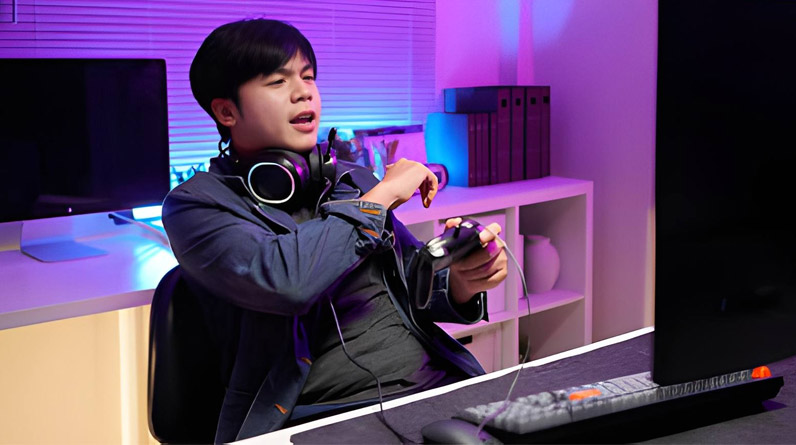
Physical tension builds in your body, affecting mechanical performance. Your grip on the mouse or controller tightens, your shoulders hunch, your breathing becomes shallow. These physical manifestations of stress directly impair your aim, reaction time, and comfort. You might notice your hand cramping or your neck hurting after particularly tilted sessions.
Strategies to Manage Tilt
Managing tilt isn’t about suppressing emotions or pretending frustration doesn’t exist. It’s about developing awareness and having practical tools to prevent tilt from hijacking your gameplay.
Recognize the Signs Early
The most important skill in tilt management is catching it before it fully develops. Early-stage tilt is much easier to address than full-blown rage. Learn your personal warning signs. Maybe you start clicking your tongue, or your internal commentary becomes more negative, or you feel tension building in your jaw. These physical and mental cues are your brain’s way of saying “we’re approaching dangerous territory.”
Create a mental checklist you can run through during deaths or between rounds: Am I breathing normally? Are my shoulders relaxed? Am I thinking clearly about strategy or just reacting emotionally? How am I communicating with my team? This brief self-assessment takes five seconds but can prevent a downward spiral.
Take Strategic Breaks
Stepping away from the game isn’t giving up—it’s smart performance management. When you notice tilt building, take a break before queuing for the next match. Stand up, walk around, get water, look out a window. The physical movement and change of scenery help reset your emotional state.
Even a five-minute break can make a significant difference. It allows your stress hormones to dissipate and gives your prefrontal cortex time to reassert control. Many professional gamers have strict rules about breaks, understanding that playing through tilt just trains bad habits and wastes time.
If you’ve lost two or three matches in a row, consider a longer break or switching to casual modes. There’s no prize for pushing through tilt, and you’ll likely lose more MMR by continuing than you’ll gain by grinding through frustration.
Control Your Breathing
This sounds almost too simple to work, but controlled breathing is one of the most powerful anti-tilt tools available. When you’re frustrated, your breathing becomes quick and shallow, which reinforces your body’s stress response. Deliberately slowing and deepening your breathing activates your parasympathetic nervous system, which counteracts stress.
Try this between rounds or during respawns: breathe in slowly through your nose for four counts, hold for four counts, exhale through your mouth for six counts. Do this three to five times. You’ll feel the physical tension release, and your thinking will clear. It’s a technique used by everyone from competitive shooters to professional athletes for good reason—it works.
Reframe Your Mindset
The way you interpret events dramatically affects your emotional response. Instead of “my teammate is throwing,” try “my teammate is having a rough game—what can I do to support them?” Instead of “this game hates me,” try “I’m facing a tough challenge—what can I learn here?” These aren’t just positive thinking platitudes; they’re conscious choices about where to direct your mental energy.
Reframing doesn’t mean pretending everything is fine when it isn’t. It means choosing interpretations that preserve your agency and focus on what you can control. You can’t control your teammate’s performance, but you can control your reaction and your own play. You can’t control lag or lucky shots, but you can control whether you learn from each situation.
Focus on Process, Not Outcome
One of the most effective long-term strategies against tilt is shifting your focus from wins and losses to the quality of your decision-making. Set process goals instead of outcome goals. Instead of “I must win this match,” try “I will make good decisions based on information, communicate clearly, and analyze my mistakes.”
Process-focused thinking insulates you from the variance inherent in competitive games. You can make perfect decisions and still lose due to factors outside your control. But if you judge yourself only on outcomes, these losses feel like failures that trigger tilt. When you focus on process, you can lose a match and still feel good about how you played, which prevents tilt from taking root.
Building Long-Term Tilt Resistance
Beyond in-the-moment management, you can build greater resistance to tilt through consistent habits and lifestyle choices.
Physical health directly impacts emotional regulation. Players who maintain regular sleep schedules, eat properly, and exercise moderately report significantly less tilt. Your brain is a physical organ—it functions better when your body is well-maintained. Even a short walk before gaming sessions can improve your tilt threshold.
Diversify your gaming goals beyond ranked climbing. If your entire gaming identity is tied to your rank, every loss becomes a threat to your self-worth, which creates enormous pressure and frequent tilt. Play casual modes sometimes. Experiment with new strategies. Focus on mastering specific skills. Having multiple sources of gaming satisfaction makes you more resilient when ranked matches go poorly.
Review your VODs or replays when you’re emotionally neutral, not immediately after tilting losses. Analyzing gameplay while frustrated trains you to focus on what went wrong rather than what you can improve. Wait until the next day when you can approach your gameplay objectively.
Build a supportive gaming environment. If you regularly play with friends who tilt easily or communicate negatively, their emotions will affect yours. Conversely, playing with emotionally stable teammates who maintain good communication makes everyone more tilt-resistant. The social aspect of gaming significantly impacts your emotional state.
When Tilt Becomes a Bigger Problem
For most players, tilt is an occasional frustration that proper management can address. However, if you find yourself consistently ragequitting, breaking equipment, or feeling genuinely angry for hours after gaming sessions, it may indicate deeper issues with frustration tolerance or emotional regulation.
Gaming should enhance your life, not become a source of chronic stress. If tilt is affecting your relationships, work, or mental health, it’s worth stepping back to examine your relationship with competitive gaming. Consider whether you’re using ranked modes to meet emotional needs they can’t fulfill, or whether you’re playing more out of compulsion than genuine enjoyment.
There’s no shame in recognizing that certain games or modes aren’t good for your mental health. Some players thrive in the intensity of ranked competition, while others genuinely enjoy the game more in casual settings. Finding what works for you is more important than forcing yourself to grind ranked if it consistently makes you miserable.
Conclusion
Tilt is the great equalizer in competitive gaming—it affects beginners and professionals, casual players and aspiring pros. The difference between players who improve and those who plateau often comes down not to mechanical skill or game knowledge, but to emotional management. Learning to recognize tilt, having specific strategies to address it, and building long-term resistance through healthy habits can transform both your performance and your enjoyment of gaming.
Remember that managing tilt is a skill like any other. You won’t master it overnight, and you’ll still have sessions where frustration gets the better of you. That’s normal and human. What matters is the consistent effort to understand your triggers, implement management strategies, and approach each gaming session with self-awareness. The players who rise through the ranks aren’t necessarily the ones who never tilt—they’re the ones who recover from it quickly and learn from the experience. Your mental game is just as important as your mechanical skill, and investing in it pays dividends in every match you play.