When was the last time you picked up a new game? If you’re honest, there’s a decent chance you discovered it through someone streaming on Twitch, a YouTube video that popped up in your feed, or a friend talking about what their favorite creator was playing. That’s the world we live in now—one where gaming influencers have quietly become some of the most powerful voices in deciding what lands on our screens.
The relationship between players and the content creators they follow runs deeper than simple entertainment. It’s built on trust, shared passion, and thousands of hours spent together in virtual worlds. When someone you’ve watched navigate countless gaming experiences recommends something new, it carries weight. You’ve seen their reactions, their frustrations, their victories. You know their taste. That personal connection transforms casual viewers into engaged players faster than any traditional advertising ever could.
The Trust Economy of Gaming Content
According to research from 2024, 52% of Gen Z trust creators’ advice on products and brands. In gaming, that trust translates directly into action. When a streamer you’ve followed for years gets genuinely excited about a new indie release, you notice. When they can’t put down a game for weeks, constantly returning to it between other content, that sends a message louder than any marketing campaign.
This isn’t about celebrity endorsements or paid promotions alone, though those certainly exist. The real influence happens in the authentic moments—the organic discovery of a hidden gem, the unscripted reactions to gameplay twists, the honest critiques of what works and what doesn’t. Viewers can spot insincerity from miles away, which is why the most effective influencers are those who genuinely care about the games they play.
Think about how different this is from traditional game marketing. A TV commercial shows you polished footage and tells you to be excited. An influencer brings you along for the actual experience, complete with genuine emotions, real-time problem-solving, and unfiltered opinions. You’re not just seeing the game; you’re experiencing someone else experiencing it, which creates an entirely different level of engagement.
How Discovery Actually Happens
The path from “I’ve never heard of this game” to “I just bought it” has changed dramatically. It used to flow through gaming magazines, E3 announcements, and store shelf browsing. Now, it’s far more organic and community-driven. A streamer boots up a game during their usual broadcast. Chat gets interested. Clips circulate on social media. Other creators pick it up. Before you know it, a game nobody talked about yesterday has ten thousand concurrent players.
Data from 2024 shows that mobile game publishers invested an average of $447,000 annually in YouTube influencer marketing, with long-term creator partnerships commanding even more at $1.1 million per year. These aren’t random numbers—they reflect how seriously the industry takes influencer impact. Game companies have watched how quickly momentum can build through the right content creator partnerships.
But here’s what makes it fascinating: some of the biggest gaming success stories happened without traditional marketing budgets at all. Small indie developers have watched their games explode purely because the right streamer stumbled upon them and fell in love. That organic discovery feels special to viewers, creating a sense of being part of something before it gets mainstream attention.
The Different Flavors of Influence
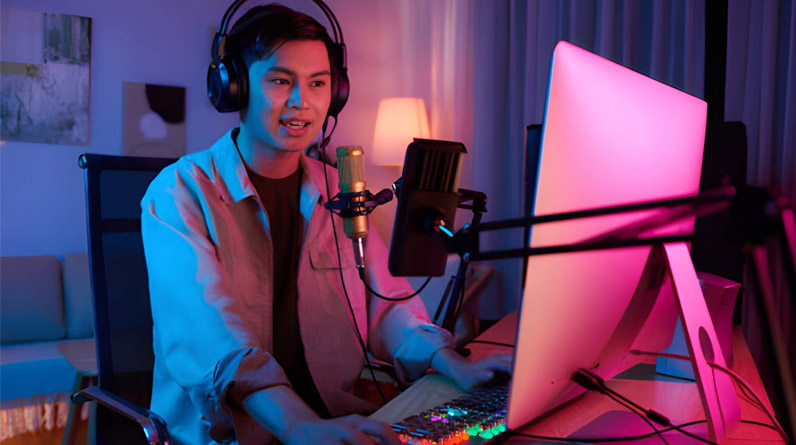
Not all gaming influencers operate the same way, and understanding these differences helps explain their varied impacts. Twitch streamers thrive on live interaction, building communities through real-time engagement during lengthy sessions. Their influence comes from consistency and personality—viewers return daily not just for the games, but for the person playing them.
YouTube creators take a different approach, crafting edited content that might focus on specific aspects like speedruns, walkthroughs, comedic moments, or deep analytical reviews. Their videos become searchable resources that players discover long after upload, creating evergreen influence that compounds over time.
Then there are the esports professionals and competitive players whose skill commands respect. When a top-tier player picks up a new game or returns to an old one, their communities follow. These influencers prove what’s possible in a game, pushing boundaries and showcasing depth that casual marketing materials rarely capture.
The Community Multiplier Effect
Here’s where things get really interesting—the influence doesn’t stop with the creator. Gaming communities have this beautiful way of amplifying and extending whatever their favorite influencers start. Research from 2024 indicates that 70% of younger gamers find watching others play to be a satisfying substitute for playing themselves, but crucially, that viewing often leads directly to purchasing decisions.
When a popular creator starts playing something, their community doesn’t just watch passively. They discuss strategies in Discord servers, create fan art, develop mods, share clips across social platforms, and invite friends to join them in-game. That organic community energy can sustain a game’s popularity far longer than any paid promotion cycle.
This creates interesting dynamics for multiplayer games especially. An influencer diving into a game brings not just their own interest but potentially thousands of new players looking to be part of that shared experience. Suddenly matchmaking queues get faster, servers fill up, and the game feels alive in ways that pure advertising can’t manufacture.
Beyond Sponsored Content
Yes, sponsored streams and paid partnerships exist throughout gaming content. Developers absolutely pay influencers to showcase their games. But dismissing all influencer impact as mere advertising misses the bigger picture. The most effective influencer relationships work because they align naturally with what that creator would play anyway.
Smart game publishers don’t just throw money at the biggest names. They identify creators whose style, audience, and content naturally fit with their game. A horror game developer reaching out to someone known for reaction content and scary game playthroughs makes sense. Both parties benefit when the partnership feels authentic rather than forced.
More importantly, the majority of influencer impact happens completely organically. Creators play what interests them, their audiences take notice, and word spreads naturally. That unpaid, genuine enthusiasm often proves more valuable than sponsored content because it comes across as real discovery rather than obligation.
The Developer’s Perspective
From the development side, influencers have become an essential part of launch strategies. Early access programs now specifically target content creators, understanding that coverage from the right voices can make or break a game’s initial momentum. But it’s not just about launch day anymore.
Ongoing influencer engagement helps games maintain relevance long after release. Live service games especially benefit from consistent creator attention, as it keeps their titles in viewers’ minds and feeds. When major updates drop, having influencers showcase new content immediately can revitalize player interest and bring back lapsed audiences.
Indie developers particularly rely on influencer visibility. Without massive marketing budgets, a single viral stream or video can transform a small project into a commercial success. We’ve seen countless examples where games that might have vanished into obscurity instead found audiences through organic influencer discovery.
The Psychology of Influence
Why does watching someone else play a game convince us to try it ourselves? The psychology runs deeper than simple marketing exposure. When you watch hours of content from a creator, you develop a parasocial relationship—you feel like you know them, even though it’s one-directional. Their recommendations carry the weight of a friend’s suggestion.
There’s also the learning aspect. By watching skilled players or entertaining personalities navigate a game, you’re essentially getting a preview of your own potential experience. You see whether the gameplay loop stays interesting over time, how the difficulty curve feels, whether the community seems welcoming. It’s a trial by proxy that reduces purchase risk.
The entertainment value itself shouldn’t be underestimated either. Some people genuinely enjoy watching games played by charismatic personalities more than playing themselves, at least for certain titles. But that entertainment often creates curiosity—what would it feel like to play this myself? That question frequently leads to purchases.
Navigating the New Landscape
For players, this influencer-driven discovery landscape offers both opportunities and challenges. On the positive side, you have access to far more information about games before buying than ever before. You can watch hours of gameplay, see real reactions, get honest opinions, and gauge community sentiment all before spending a dollar.
The flip side? The sheer volume of games and content creators can feel overwhelming. Popular influencers gravitate toward similar titles, sometimes creating echo chambers where certain games get excessive attention while others worthy of notice slip through the cracks. Learning to diversify your content sources helps, as does occasionally exploring outside your normal viewing habits.
There’s also the consideration that influencer enthusiasm doesn’t always translate to personal enjoyment. What works for a streamer playing to entertain thousands might not suit your solo gaming preferences. Understanding the difference between enjoying watching someone play versus enjoying playing yourself matters. Sometimes a game is better as content than as your own experience, and that’s perfectly fine.
Looking Ahead
The influencer impact on gaming will only deepen as the industry continues evolving. We’re already seeing more sophisticated partnerships, with some creators involved in actual game development or having custom content built around their communities. The line between player, creator, and developer continues to blur.
Mobile gaming has particularly embraced influencer marketing, recognizing that younger audiences discover most of their entertainment through content creators rather than traditional channels. Cross-platform integration between games and streaming services will likely expand, making the connection between watching and playing even more seamless.
What probably won’t change is the fundamental dynamic: people trust people. When gaming influencers make genuine connections with their audiences and share authentic experiences, those recommendations carry weight. The specifics of platforms and partnerships will evolve, but that core human element of shared passion and community trust will remain central to how we discover and choose what to play.
The Bottom Line
Gaming influencers have fundamentally transformed how we find, evaluate, and engage with games. They’ve created a new ecosystem where trust, authenticity, and community drive discovery more than traditional marketing ever could. Whether through live streams that feel like hanging out with friends, edited videos that showcase a game’s best moments, or competitive play that demonstrates mastery, influencers shape our gaming choices in countless ways.
This isn’t necessarily good or bad—it’s simply the reality of modern gaming culture. The key is approaching it with awareness. Recognize when you’re being influenced, understand the difference between genuine enthusiasm and paid promotion, and remember that your own preferences might differ from even your favorite creator’s. Used well, the influencer landscape opens doors to amazing games you’d never discover otherwise. The trick is staying curious, exploring diverse voices, and ultimately trusting your own judgment about what’s worth your time.
After all, the best part of gaming has always been the experience itself—influencers just help us find where to have those experiences next.