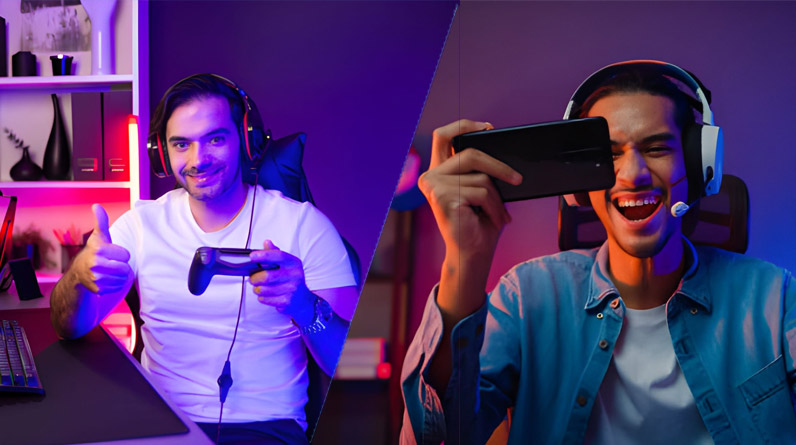
There’s a moment that happens in every aspiring gamer’s life when someone asks what they want to do for a living, and they hesitate before saying “professional gaming.” That pause tells you everything about how far we’ve come and how far we still need to go. Ten years ago, telling your parents you wanted to be a professional gamer was like announcing you’d decided to become a professional hopscotch player. Today? The conversation is different, though not quite simple.
The gaming industry has transformed dramatically. What started as basement tournaments with pizza and bragging rights has evolved into a global entertainment phenomenon. The esports market alone is projected to reach approximately $4.78 billion in 2025 according to Statista, with a global audience expected to hit 640.8 million viewers by year’s end. These aren’t just impressive numbers on a spreadsheet—they represent real careers, actual paychecks, and legitimate professional pathways that didn’t exist a decade ago.
But here’s where we need to get honest. Just because professional gaming is now a viable career doesn’t mean it’s a realistic one for everyone. The gap between “possible” and “probable” is wider than many realize, and understanding that distinction is the first step toward making an informed decision about your future.
The Reality Check: What Professional Gaming Actually Looks Like
When most people think about professional gaming, they picture the highlight reel: sold-out arenas, massive prize pools, sponsorship deals with energy drink companies, and players living in team houses while practicing their craft. That world exists, but it represents the absolute pinnacle of the industry—roughly the equivalent of making it to the NBA in traditional sports.
The League of Legends 2024 World Championship drew 6.94 million peak viewers, with prize pools that make headlines and change lives. But for every player lifting a trophy on that stage, there are thousands grinding in obscurity, hoping for their breakthrough moment that may never come.
The Different Tiers of Professional Gaming
Professional gaming isn’t a single career path—it’s more like an ecosystem with multiple levels. At the top tier, you have the elite competitive players signed to major organizations, earning six-figure salaries before prize money. These players practice eight to twelve hours daily, have coaches and analysts supporting them, and compete in franchised leagues with guaranteed stability.
The middle tier includes players on smaller teams, semi-professional competitors, and regional champions who make enough to support themselves but aren’t getting rich. They might earn $30,000 to $70,000 annually through a combination of team salaries, tournament winnings, and streaming revenue. It’s a living, but it requires hustle beyond just playing well.
Then there’s the grassroots level, where most aspiring pros actually exist. These players compete in online tournaments, stream to modest audiences, and often work other jobs to pay the bills while pursuing their gaming dreams. The financial reality here is harsh—many earn less than minimum wage when you calculate hours invested versus income generated.
Beyond Competitive Play: The Broader Gaming Career Landscape
Here’s what many aspiring professionals miss: competitive play is just one slice of the gaming career pie. The industry has matured to offer dozens of viable career paths that leverage gaming skills, knowledge, and passion without requiring you to be in the top 0.1% of players globally.
Content Creation and Streaming
Content creation has become the more accessible entry point for gaming careers. Platforms like Twitch and YouTube allow gamers to build audiences, generate revenue through subscriptions, donations, and sponsorships, and create sustainable income without necessarily competing at the highest levels. The key difference? You don’t need to be the best player—you need to be entertaining, consistent, and authentic.
Successful content creators understand they’re in the entertainment business, not just the gaming business. Your personality, communication skills, and ability to engage viewers matter as much as your gameplay. Some of the most successful gaming creators aren’t professional-level players, but they’ve mastered the art of making their content engaging and their communities strong.
Industry Roles That Keep Gaming Growing
The gaming industry employs thousands of people who never compete in a single tournament. Esports organizations need managers, marketers, social media specialists, video editors, graphic designers, and business development professionals. Tournament operators require production crews, casters, analysts, and logistics coordinators. Game developers need testers, community managers, and user experience researchers.
These roles offer something competitive gaming often doesn’t: stability. You get predictable paychecks, benefits, career progression, and the ability to work in gaming without your livelihood depending on your in-game performance that particular week.
What It Actually Takes to Go Pro
Let’s talk about the elephant in the room: natural talent matters, but it’s just the starting point. Every professional player had to be naturally gifted at their game, but that talent is table stakes, not a differentiator. What separates the pros from the perpetually aspiring is a combination of factors that many people underestimate.
The Time Investment Reality
Professional gamers don’t play casually for a few hours after school or work. They treat it like Olympic athletes treat their sport—it’s a full-time commitment. Most pros practice eight to fourteen hours daily, reviewing replays, analyzing opponents, working with coaches, and maintaining peak performance. This isn’t fun gaming time; it’s repetitive, exhausting, deliberate practice focused on marginal improvements.
You’ll need to dedicate years to reach professional level. The teenage prodigies you see dominating tournaments typically started young and sacrificed significant parts of their adolescence to gaming. Starting in your twenties doesn’t make success impossible, but it dramatically reduces your odds in most esports.
Mental Resilience and Adaptability
Gaming careers are volatile. Games rise and fall in popularity. Meta shifts can make your playstyle obsolete overnight. Younger players constantly emerge with fresh perspectives and faster reflexes. The psychological toll of performing under pressure, dealing with online toxicity, and facing repeated failures weighs heavier than most anticipate.
Professional players need mental fortitude comparable to traditional athletes. You’ll lose more than you win, especially starting out. Your income might fluctuate wildly. Your career could end suddenly due to injury, burnout, or your game simply becoming less popular. The question isn’t whether you can handle success—it’s whether you can handle persistent uncertainty and frequent disappointment.
The Financial Truth About Gaming Careers
Money is where aspirations meet reality. Yes, top esports players earn millions. Yes, successful streamers make six or seven figures annually. But these outcomes represent statistical outliers, not typical experiences. Understanding the actual financial landscape is crucial for making informed decisions.
Income Variability Across Skill Levels
Elite players on major teams might earn $200,000 to $500,000 in annual salary before prize winnings. Add tournament success, sponsorships, and streaming revenue, and top-tier players can earn over a million dollars yearly. But “major team” means organizations like Team Liquid, FaZe Clan, or Cloud9—spots that represent maybe a few hundred positions globally across all games.
Mid-tier professionals might earn $30,000 to $80,000 annually, combining modest team salaries with tournament winnings and side income. It’s livable, but not luxurious, and comes without benefits like health insurance or retirement plans in many cases. These positions are also precarious—one bad season might mean losing your spot.
The vast majority of aspiring professionals earn far less. Many grind for years making effectively nothing, subsidized by family support, savings, or part-time work. The dream of “making it” keeps them going, but the financial reality is that most will never reach sustainable income levels through gaming alone.
The Hidden Costs of Going Pro
Professional gaming requires significant upfront investment. High-end gaming equipment, reliable internet, potentially relocating to gaming hubs or team houses, and opportunity costs of not pursuing traditional education or careers all add up. You might spend thousands before earning your first dollar, and that initial investment could take years to recoup—if you ever do.
Building a Sustainable Gaming Career in 2025
If you’re serious about gaming as a career, the smartest approach is treating it like any other entrepreneurial venture: diversify, build skills, and create multiple revenue streams. The days of being “just a player” are largely gone—modern gaming careers require business acumen.
The Portfolio Career Approach
Most successful gaming professionals in 2025 aren’t doing just one thing. They’re competing, creating content, coaching others, consulting for brands, and building personal brands across multiple platforms. This diversification provides financial stability and career longevity that pure competitive play rarely offers.
Consider starting with content creation while pursuing competitive play. Stream your practice sessions. Create educational content about your game. Build a following that values your insights, not just your tournament results. This way, even if competitive success doesn’t materialize, you’ve developed marketable skills and an audience that can sustain you.
Education and Backup Plans Aren’t Giving Up
Here’s something that might sound counterintuitive: pursuing education alongside gaming aspirations isn’t a lack of commitment—it’s smart risk management. Many successful gaming professionals have college degrees or trade skills. Some complete online degrees while competing. Others take breaks to pursue education between competitive seasons.
The average esports career lasts just three to five years. Having skills and credentials for life after competitive gaming isn’t pessimism; it’s planning. Marketing, business, communications, graphic design, video production, or computer science degrees all complement gaming careers and provide fallback options if needed.
The Challenges Nobody Talks About
Professional gaming sounds glamorous from the outside, but several harsh realities get glossed over in the highlight reels and success stories.
Physical and Mental Health Concerns
Sitting for twelve hours daily takes a serious toll. Professional gamers face repetitive strain injuries, back problems, eye strain, and various health issues related to sedentary lifestyles. Mental health challenges are equally significant—burnout, depression, anxiety, and social isolation affect many players who’ve dedicated everything to gaming.
The competitive pressure is relentless. One bad performance can trend on social media with thousands criticizing you. Your income depends on maintaining peak performance consistently. The line between your hobby and your livelihood disappears, potentially ruining what you once loved about gaming.
Career Longevity and Transition Challenges
Gaming careers are short by necessity. Reflexes decline with age, younger players constantly emerge, and the mental stamina required for professional competition becomes harder to maintain in your late twenties and beyond. Most players retire or transition to other roles by their mid-thirties at latest.
This creates a unique challenge: what comes next? Players who’ve spent their entire twenties gaming often lack traditional work experience, professional networks outside gaming, and clear transition paths. Those who succeed long-term are thinking about career evolution from day one, developing transferable skills and building foundations for their post-playing careers.
Making the Decision: Is It Right for You?
So after all this reality-checking, is professional gaming a realistic career in 2025? The honest answer: it depends entirely on your definition of “professional gaming,” your current skill level, your willingness to diversify, and your ability to treat it as a business rather than just playing games you love.
If you’re exceptionally talented, willing to dedicate years to improvement, can handle uncertainty and failure, have support systems in place, and approach it strategically with multiple income streams—then yes, it’s possible. But “possible” shouldn’t be confused with “probable.” For every success story, there are hundreds who never break through despite similar dedication.
Questions to Ask Yourself
Before committing fully to a gaming career, honestly assess where you stand. Are you already in the top percentage of players in your game? Can you commit to treating gaming like a full-time job for years? Do you have financial support or savings to sustain you during the growth period? Are you building skills beyond just playing? Do you have backup plans if gaming doesn’t work out?
If you’re answering “no” to several of these questions, that doesn’t mean you should abandon gaming entirely—it means you should pursue it differently. Keep it as a serious hobby while building other skills and income sources. Create content, build a community, and see where it leads without betting everything on the longest of long shots.
The Verdict on Gaming as a Career in 2025
Professional gaming is more legitimate and viable in 2025 than ever before. The industry is growing, infrastructure is improving, and career paths have diversified beyond just competitive play. These are genuine careers with real income potential and professional structures supporting them.
But legitimacy doesn’t equal accessibility. The barriers to entry for competitive gaming remain high, and the success rate remains low. The industry’s growth has attracted more talent, making competition fiercer, not easier. Financial stability requires exceptional skill, strategic thinking, and often, luck.
The most realistic path forward for most aspiring gaming professionals isn’t abandoning the dream—it’s expanding it. Think broader than just competitive play. Develop multiple skills. Build an audience. Create content. Learn the business side. Pursue education. Treat gaming as one component of a larger career strategy rather than putting all your eggs in one basket.
Gaming careers are real, but they’re also really hard. Approach them with your eyes open, your backup plans ready, and your passion channeled strategically. The industry has room for people who bring more than just gaming skills—it needs entrepreneurs, creators, communicators, and business-minded individuals who happen to love games. If you can be that person, your odds improve dramatically.
The question isn’t just whether professional gaming is realistic in 2025. It’s whether you’re realistic about what it takes, strategic about how you pursue it, and resilient enough to handle the challenges along the way. Answer those questions honestly, and you’ll know whether gaming as a career is right for you.