Video games have evolved from simple entertainment into a global phenomenon affecting over 3.4 billion people worldwide. While gaming offers numerous benefits—from social connection to cognitive skill development—a small but significant percentage of players struggle with what the World Health Organization officially recognized as Gaming Disorder in 2018.
The numbers tell a sobering story. According to 2025 research from Birches Health, approximately 3% to 4% of gamers worldwide meet the criteria for gaming disorder, translating to roughly 60 million individuals. Among adolescents aged 8-18, that figure climbs to 8.5%, highlighting the particular vulnerability of younger demographics. What’s more concerning is that between 1.7% and 10% of the American population shows signs of gaming addiction, yet only about 8% of those affected ever seek professional help.
This isn’t about demonizing gaming. Most players maintain healthy relationships with their favorite titles, treating them as one interest among many. But for those who cross the line from passion into compulsion, understanding the warning signs and underlying causes becomes crucial for reclaiming balance.
Recognizing the Warning Signs
Gaming addiction doesn’t announce itself with fanfare. It creeps in gradually, blurring the boundaries between hobby and obsession. The WHO’s International Classification of Diseases (ICD-11) provides three core criteria that must persist for at least 12 months—or less if symptoms are severe.
Loss of Control Over Gaming
The first red flag is an inability to regulate gaming habits. This manifests as difficulty stopping once you start, gaming for longer periods than intended, or unsuccessful attempts to cut back. You might find yourself saying “just one more game” repeatedly, only to realize hours have vanished. Studies from 2025 show that individuals with gaming disorder often spend 8-10 hours daily gaming, compared to 3-4 hours for non-addicted peers.
Gaming Takes Priority Over Everything Else
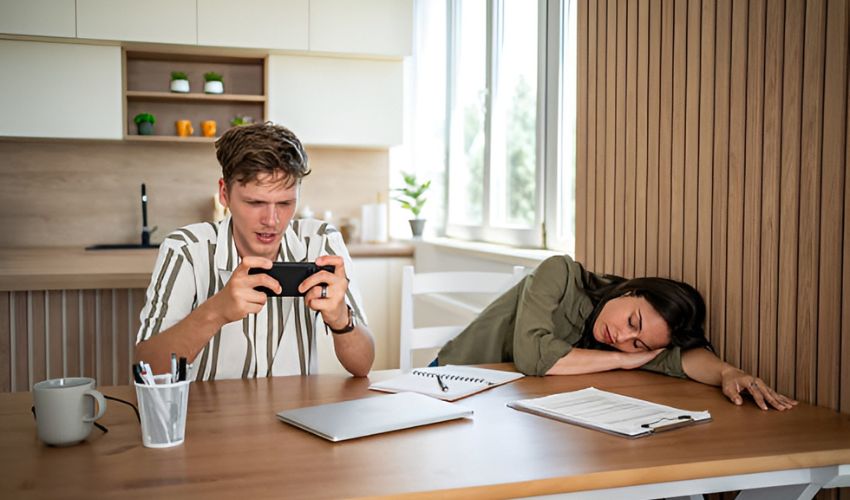
When gaming consistently trumps responsibilities, relationships, and even basic self-care, addiction has taken root. According to research published by Newport Academy in 2025, affected individuals may skip meals, neglect hygiene, or abandon sleep to continue playing. School performance plummets, work obligations fall by the wayside, and meaningful relationships deteriorate.
The psychological component runs deeper than simple preference. Gaming becomes the default response to stress, anxiety, or boredom—a coping mechanism that crowds out healthier alternatives. Some players retreat into virtual worlds to escape real-world problems, creating a vicious cycle where gaming both masks and exacerbates underlying issues.
Continuing Despite Negative Consequences
Perhaps the most telling sign is persistence despite clear harm. Even when gaming causes obvious damage—failing grades, job loss, relationship breakdowns, physical health problems—the behavior continues unabated. This pattern mirrors other addictive disorders and signals that voluntary control has been compromised.
Additional Warning Signals
Beyond the WHO’s core criteria, watch for these secondary indicators:
- Withdrawal symptoms: Irritability, anxiety, sadness, or restlessness when unable to game
- Tolerance: Needing to play for increasingly longer periods to feel satisfied
- Deception: Lying to family or friends about gaming time or frequency
- Social isolation: Withdrawing from real-world relationships in favor of online connections
- Physical symptoms: Eye strain, headaches, carpal tunnel syndrome, poor posture, weight changes
- Financial problems: Excessive spending on games, in-game purchases, or gaming equipment despite financial strain
Research from Game Quitters indicates that approximately 30% of video game players report feelings of addiction or dependence, though not all meet clinical diagnostic criteria. The key distinction lies in whether gaming causes significant impairment in personal, family, social, educational, or occupational functioning.
The Science Behind Gaming Addiction
Understanding why gaming becomes addictive requires a look beneath the surface at the neurobiological mechanisms at play. Gaming addiction isn’t about weak willpower—it’s about how certain brain systems respond to sustained gaming behavior.
The Dopamine Connection
At the heart of gaming addiction lies dopamine, a neurotransmitter that drives motivation and reward-seeking behavior. Research from Stanford University School of Medicine reveals that video games activate brain reward regions more intensely in males than females, partially explaining the higher prevalence of gaming disorder among men (62.7% male vs. 37.3% female, according to a 2025 Norwegian study).
When you play video games and achieve rewards—whether leveling up, winning matches, or unlocking achievements—your brain releases dopamine. While video games roughly double dopamine’s normal resting levels, this pales in comparison to drugs like cocaine or heroin, which increase dopamine by ten times. However, the accessibility and repeatability of gaming make it particularly insidious.
Over time, frequent gaming can alter the brain’s reward circuitry. The brain becomes accustomed to regular dopamine hits from gaming, developing tolerance that requires longer play sessions to achieve the same satisfaction. Eventually, everyday activities that once brought pleasure—socializing, exercising, pursuing other hobbies—fail to produce adequate dopamine, leaving gaming as the primary source of reward and motivation.
Built-In Addictive Design
Modern video games aren’t accidentally addictive. Many incorporate sophisticated psychological principles designed to maximize engagement and retention. Compulsion loops, variable reward schedules, social pressure mechanics, and microtransactions all exploit human psychology to keep players engaged.
Research on gaming addiction shows that certain game types carry higher risk. According to 2024 statistics, 21% of gamers spend over 20 hours weekly on MMORPGs (massively multiplayer online role-playing games), which offer endless progression systems and social elements that resist natural stopping points. Mobile games with in-app purchases and loot box mechanics have also been linked to increased addiction risk.
Psychological Risk Factors
Not everyone who plays extensively develops an addiction. Certain psychological factors increase vulnerability:
- Mental health conditions: Anxiety, depression, ADHD, and social anxiety disorder frequently co-occur with gaming disorder
- Personality traits: Impulsivity, low self-control, sensation-seeking, and high neuroticism correlate with higher risk
- Insecure attachment: Adolescents with insecure parental attachments are more prone to internet addiction, including gaming
- Low self-esteem: Some individuals use gaming to compensate, creating powerful avatars in virtual worlds where they feel competent
- Social difficulties: People struggling with real-world social connections may find gaming’s structured social interactions more manageable
For many, gaming functions as self-medication for underlying psychological distress. Addressing gaming addiction often requires treating these co-occurring conditions simultaneously.
Demographics and Prevalence
Gaming addiction doesn’t discriminate by age, but certain demographics face elevated risk. The average age of a gaming addict is 24 years old, with the 18-34 age bracket representing the highest-risk group. In the United States, this demographic comprises 36% of the gaming population, according to 2025 data.
Geographic variations are striking. Asian countries report the highest adolescent gaming disorder rates at 9.9%, followed closely by North America at 9.4%. Australia shows 4.4% prevalence, while European adolescents demonstrate the lowest rate at 3.9%. These differences likely reflect cultural attitudes toward gaming, availability of treatment resources, and varying diagnostic standards.
Gender differences persist across studies. Research consistently shows that 75-90% of gaming addiction cases affect males, particularly those aged 18-24. However, a 2024 Pew Research Center survey found that 85% of U.S. teens report playing video games, with 41% playing daily—suggesting that while clinical gaming disorder remains relatively rare, problematic gaming patterns affect a much broader population.
Effective Treatment Approaches
Recovery from gaming addiction is possible, and research has identified several effective treatment strategies. The good news is that most cases don’t require residential treatment—outpatient interventions show strong success rates.
Cognitive Behavioral Therapy (CBT)
CBT stands as the gold standard for gaming disorder treatment. This evidence-based approach helps individuals identify and modify dysfunctional thinking patterns and behaviors associated with their gaming.
A 2022 meta-analysis published in Scientific Reports found that CBT-based interventions significantly reduce excessive gaming, with combined treatments showing superior results. Specifically, CBT combined with mindfulness emerged as the most effective intervention, followed by CBT plus family therapy, then standalone CBT approaches.
How does CBT work for gaming addiction? The therapy focuses on:
- Identifying triggers: Recognizing situations, emotions, or thoughts that prompt excessive gaming
- Challenging irrational beliefs: Reframing thoughts like “I need gaming to be happy” or “Gaming is my only way to socialize”
- Developing coping strategies: Learning healthier ways to manage stress, boredom, or negative emotions
- Building new habits: Establishing routines that incorporate diverse activities beyond gaming
- Improving self-control: Strengthening the ability to delay gratification and resist impulses
A 2019 study found that 67% of patients completing a 14-session CBT program showed improvement in gaming disorder symptoms, compared to supportive therapy. Participants also experienced reduced anxiety, impulsivity, and social avoidance.
Additional Treatment Modalities
While CBT forms the foundation, comprehensive treatment often incorporates complementary approaches:
Group therapy provides peer support and reduces isolation. Sharing experiences with others facing similar challenges normalizes struggles and facilitates learning from others’ recovery strategies.
Family therapy addresses relationship dynamics that may contribute to or result from gaming addiction. Since gaming disorder often strains family bonds, involving loved ones in treatment can rebuild connections and establish healthier communication patterns.
Mindfulness-based interventions teach individuals to cope with negative emotions without resorting to gaming. Techniques like mindful breathing and meditation help manage stress and increase awareness of gaming urges before they become overwhelming.
Pharmacotherapy may be appropriate when co-occurring mental health conditions exist. Medications for ADHD, depression, or anxiety can reduce symptoms that drive gaming as a coping mechanism. However, there are no medications specifically approved for gaming disorder itself.
Maintaining Healthy Gaming Balance
For most people, the goal isn’t complete gaming abstinence but rather developing sustainable, healthy gaming habits. Whether you’re concerned about your own gaming or helping someone else, these evidence-based strategies promote balance.
Establish Clear Boundaries
Set specific time limits for gaming each day and stick to them. Treat gaming as a reward after completing responsibilities like work, homework, exercise, and social obligations. Use timers or alarms to stay accountable—it’s easy to lose track of time when immersed in gameplay.
Consider implementing game-free times and spaces. Charge devices outside the bedroom to prevent late-night gaming that disrupts sleep. Designate certain days or hours as completely gaming-free, using that time for other interests and activities.
Diversify Your Interests
Gaming should be one hobby among many, not your sole source of enjoyment or social connection. Actively cultivate other interests—physical activities, creative pursuits, outdoor recreation, reading, or learning new skills. This diversification ensures gaming doesn’t become your default activity for every moment of free time.
Maintain friendships outside gaming communities. While online friends are valuable, real-world relationships provide crucial emotional support, accountability, and perspective. Make time for in-person social activities regularly.
Prioritize Physical Health
The sedentary nature of gaming requires conscious counterbalancing. Incorporate regular exercise into your routine—aim for at least 30 minutes of physical activity daily. Take movement breaks every hour during gaming sessions, using the 20-20-20 rule: every 20 minutes, look at something 20 feet away for 20 seconds to reduce eye strain.
Pay attention to ergonomics. Set up your gaming space with proper chair height, screen positioning, and lighting to minimize physical strain. Stay hydrated during gaming sessions and choose nutritious snacks over junk food.
Monitor Your Mental State
Regular self-assessment helps catch problematic patterns early. Ask yourself periodically:
- Am I gaming to escape problems or negative emotions?
- Has my gaming increased recently? If so, why?
- Am I neglecting important responsibilities or relationships because of gaming?
- Do I feel anxious, irritable, or sad when I can’t game?
- Am I being honest with others about my gaming time?
If you answer yes to multiple questions, consider whether your gaming habits need adjustment. Don’t hesitate to seek professional support if you’re struggling to make changes independently.
Create a Gaming Schedule
A structured gaming schedule helps maintain balance without requiring total elimination. Plan specific gaming times that don’t conflict with other priorities. Include time for breaks, meals, and social activities. Review and adjust your schedule regularly based on what’s working and what isn’t.
For parents concerned about children’s gaming, establish clear family rules about gaming. Keep gaming devices in common areas where you can monitor usage. Require completion of homework and chores before gaming time. Discuss age-appropriate content and online safety regularly.
Use Technology Mindfully
Leverage apps and tools designed to promote healthy gaming. Many platforms offer parental controls or self-imposed time limits. Consider using website blockers during work or study hours. Screen time tracking apps provide objective data about your actual gaming time, which may differ from your perception.
When to Seek Professional Help
While self-management strategies work for many, professional intervention becomes necessary when:
- Gaming significantly impairs your ability to function at school, work, or in relationships
- You’ve tried multiple times to cut back without success
- Gaming is your primary coping mechanism for mental health issues
- You experience severe withdrawal symptoms when unable to game
- Family members or friends express serious concern about your gaming
- Your physical or mental health has deteriorated due to gaming
Start by consulting your primary care physician, who can provide referrals to mental health professionals specializing in behavioral addictions. Look for therapists with experience in CBT and addiction treatment. Avoid expensive “gaming addiction camps” or unproven treatment programs—stick with evidence-based interventions delivered by licensed professionals.
The Path Forward
Gaming addiction represents a genuine mental health concern that affects millions worldwide, yet the vast majority of gamers enjoy their hobby without developing problematic patterns. The difference lies not in whether you game, but in how gaming fits within the broader context of a balanced, fulfilling life.
Understanding the signs of gaming disorder, recognizing the neurobiological mechanisms underlying addiction, and implementing practical strategies for healthy gaming habits empowers individuals to maintain control. For those struggling with gaming addiction, effective treatments exist, and recovery is absolutely achievable with proper support.
The goal isn’t to eliminate gaming from your life—it’s to ensure gaming enhances rather than diminishes your overall well-being. By staying mindful of your habits, prioritizing diverse activities, maintaining real-world connections, and seeking help when needed, you can enjoy the benefits of gaming while avoiding its potential pitfalls.
Remember that gaming, like any activity, exists on a spectrum. Regular self-assessment, honest conversations with loved ones, and willingness to adjust your habits when necessary will help you stay on the healthy side of that spectrum. Whether you’re a casual player, dedicated enthusiast, or someone concerned about your gaming patterns, the knowledge and strategies outlined here provide a foundation for making informed choices about your gaming life.
In this digital age, where gaming continues evolving and expanding, maintaining balance isn’t just advisable—it’s essential for long-term health, happiness, and success both in virtual worlds and the real one.