The video gaming landscape has transformed dramatically over the past decade. What was once dismissed as a niche hobby has evolved into a global phenomenon, with the industry expected to generate $250 billion in revenue by 2025 (WellPower, 2024). With approximately 2 billion gamers worldwide, the conversation around gaming has shifted from whether people should play to understanding how gaming impacts our psychological well-being.
The relationship between gaming and mental health isn’t black and white. Recent scientific research reveals a fascinating paradox: video games can simultaneously offer remarkable cognitive benefits while posing genuine risks when engagement becomes excessive. This complexity demands a nuanced understanding, particularly as gaming becomes increasingly integrated into daily life across all age groups.
This article examines both sides of the coin, exploring evidence-based research from 2024 and 2025 that illuminates how gaming affects our brains, emotions, and overall mental wellness.
The Positive Effects: How Gaming Benefits Mental Health
Cognitive Enhancement and Brain Function
Perhaps the most surprising finding from recent research is the significant cognitive boost gaming provides. A groundbreaking 2024 study from Western University analyzed over 2,000 participants and discovered that frequent gamers (those playing five or more hours per week) performed cognitively like people 13.7 years younger than their actual age. Even infrequent gamers showed cognitive performance equivalent to being 5.2 years younger (Western University, 2024).
These improvements aren’t superficial. Brain imaging studies have revealed that gaming literally changes brain structure. Research from the National Institutes of Health found that children who played video games for three or more hours daily showed higher brain activity in regions associated with attention and memory compared to non-gamers. The games appear to strengthen neural pathways related to impulse control and information processing.
The cognitive benefits extend across multiple domains:
- Enhanced problem-solving abilities: Strategy games and puzzles challenge players to think critically and develop creative solutions
- Improved visual-spatial skills: Action games particularly enhance the ability to track multiple objects and navigate complex environments
- Faster decision-making: Gamers demonstrate quicker reaction times and more efficient information processing
- Better working memory: Gaming strengthens the brain’s capacity to hold and manipulate information
Therapeutic Applications and Mental Health Support
The therapeutic potential of gaming has emerged as a significant area of research. A Johns Hopkins study published in JAMA Pediatrics (2024) analyzed 27 clinical trials involving 2,911 participants and found that specially designed video games provided modest but meaningful reductions in symptoms for children and adolescents with ADHD and depression.
For ADHD, games requiring sustained attention and rapid response helped improve focus and concentration. Depression-focused games incorporating cognitive behavioral therapy principles showed similar effectiveness to traditional therapeutic approaches in reducing feelings of sadness and hopelessness.
Commercial video games also show promise. Research suggests that even mainstream games can serve as accessible mental health tools, providing distraction from stressors, opportunities for mood regulation, and structured environments where players can experience accomplishment and progress. “Cozy games” like Animal Crossing have become particularly noted for their stress-relief properties.
Social Connection and Community Building
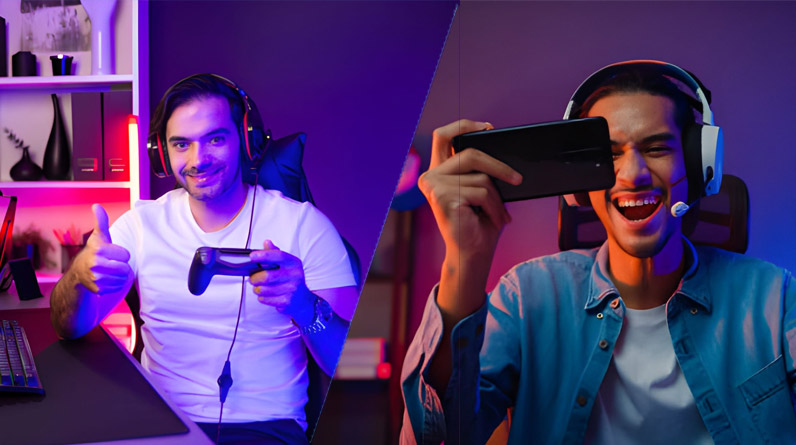
The stereotype of the isolated gamer has been thoroughly debunked by contemporary research. Modern gaming is fundamentally social, with multiplayer environments fostering genuine connections and community building. During the COVID-19 pandemic, gaming emerged as a vital tool for maintaining social bonds when physical distancing was necessary (ScienceDirect, 2024).
Online gaming communities provide:
- Low-stakes environments for practicing social interaction
- Opportunities for collaboration and teamwork
- Shared experiences that build meaningful relationships
- Safe spaces for individuals with social anxiety to connect
For individuals who struggle with face-to-face interaction, gaming platforms can serve as a bridge to social engagement, allowing them to develop communication skills in a less intimidating environment.
Stress Relief and Emotional Regulation
Gaming provides a structured form of escapism that helps people manage daily stressors. The immersive nature of games allows players to temporarily step away from real-world concerns, providing psychological relief. The reward systems built into games—achievements, level progression, and in-game accomplishments—trigger dopamine release, creating feelings of satisfaction and motivation.
A 2023 study found that video games powerfully elicit nostalgia, which can enhance mood and psychological well-being. Games like Pokémon GO tap into positive memories, creating emotional experiences that extend beyond the game itself.
The Negative Effects: When Gaming Becomes Problematic
Gaming Disorder: Understanding Addiction
The World Health Organization officially recognized gaming disorder in its ICD-11 classification in 2018, acknowledging that excessive gaming can become a genuine mental health condition. Gaming disorder is characterized by impaired control over gaming, prioritizing gaming over other activities, and continuing to game despite negative consequences for at least 12 months.
Current statistics paint a concerning picture:
- Global prevalence ranges from 1.96% to 3.05% of gamers (approximately 60 million people worldwide)
- Adolescent rates are significantly higher at approximately 8%
- Males account for 75-90% of gaming disorder cases
- Young adults aged 18-24 show addiction rates as high as 15% (New Horizons Centers, 2024)
A 2024 study in Scientific Reports found that pre-existing mental health conditions like depression and anxiety act as moderators, amplifying gaming disorder risk. Individuals with these conditions may turn to gaming for relief, creating a cycle where temporary comfort reinforces problematic behavior.
Mental Health Deterioration
Excessive gaming correlates with several negative mental health outcomes. Research has documented increased rates of depression, anxiety, and social isolation among individuals with gaming disorder. The relationship is often bidirectional—mental health issues can drive excessive gaming, while problematic gaming exacerbates existing conditions.
The signs include:
- Persistent preoccupation with gaming, thinking about games even when not playing
- Withdrawal symptoms like irritability or restlessness when unable to play
- Failed attempts to reduce gaming time
- Loss of interest in other activities and hobbies
- Using gaming to escape negative emotions
Physical and Social Consequences
Beyond mental health, excessive gaming creates tangible life disruptions. Academic performance suffers, with studies showing elementary school students experiencing worse grades when dependent on gaming. Family relationships deteriorate as gaming takes priority over meaningful interactions.
Physical health concerns include:
- Sleep disturbances and chronic fatigue
- Sedentary lifestyle leading to physical health issues
- Hearing loss from excessive sound exposure (average gaming sound levels often exceed safe limits)
- Eye strain and vision problems
A 2024 systematic review found significant associations between gaming and hearing loss or tinnitus, particularly among players who averaged three or more hours weekly at high volumes.
Impact on Real-World Functioning
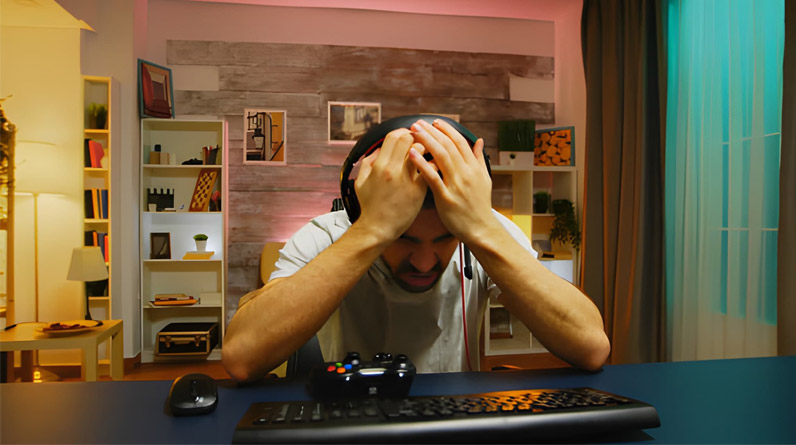
When gaming becomes addictive, it interferes with essential life functions. Players may neglect personal hygiene, skip meals, avoid responsibilities, and withdraw from face-to-face social interactions. The virtual world becomes a substitute for real-life engagement rather than a complement to it.
During the COVID-19 pandemic, gaming time increased by 39%, and while this provided necessary social connection for many, it also highlighted the risk of excessive use. Some individuals found it increasingly difficult to return to normal patterns of behavior as restrictions lifted.
Finding Balance: Strategies for Healthy Gaming
Understanding Your Gaming Relationship
The key to maximizing benefits while minimizing risks lies in self-awareness and intentionality. Ask yourself these critical questions:
- Is gaming enhancing or replacing real-world relationships?
- Am I playing because I enjoy it or to avoid uncomfortable feelings?
- Can I stop playing when needed without emotional distress?
- Is gaming interfering with sleep, work, school, or personal responsibilities?
Practical Guidelines for Healthy Gaming
Research suggests that more than 10 hours per week ventures into excessive territory for most individuals (WebMD, 2024). However, the quality and context of gaming matter as much as quantity.
Time Management:
- Set specific time limits before starting gaming sessions
- Use timers or parental controls to enforce boundaries
- Schedule gaming around responsibilities, not the reverse
- Take regular breaks every hour to move and rest your eyes
Diversification:
- Maintain active participation in non-gaming hobbies and activities
- Prioritize face-to-face social interactions
- Engage in regular physical exercise (150 minutes weekly is optimal)
- Cultivate interests that don’t involve screens
Social Gaming:
- Play multiplayer games with friends to enhance social benefits
- Join communities that align with your values and interests
- Use gaming as a tool for connection, not isolation
- Balance online and offline social activities
Choosing the Right Games
Not all games offer the same benefits. Research suggests that different genres enhance different cognitive functions. Strategy games improve planning and critical thinking, puzzle games enhance problem-solving, and action games boost reaction time and spatial awareness.
For mental health support, consider games that promote relaxation and mindfulness rather than high-stress competitive environments. If you’re prone to anxiety, avoid games designed to create tension and frustration.
When to Seek Professional Help
Professional intervention becomes necessary when gaming begins to significantly impair functioning. Warning signs include:
- Inability to reduce gaming despite recognizing negative consequences
- Severe emotional reactions when prevented from gaming
- Complete withdrawal from social relationships
- Significant deterioration in academic or work performance
- Using gaming exclusively as a coping mechanism for emotional distress
Cognitive behavioral therapy has shown effectiveness in treating gaming disorder, helping individuals understand the underlying motivations for excessive gaming and develop healthier coping strategies. Many mental health professionals now specialize in technology-related behavioral issues.
Special Considerations for Parents and Caregivers
Supporting Young Gamers
With 90% of children in the United States playing video games, parents face the challenge of guiding healthy gaming habits. The key is active involvement rather than blanket restrictions or complete permissiveness.
Effective parenting strategies include:
- Playing games with your children to understand what engages them
- Setting clear, consistent rules about gaming time and content
- Ensuring gaming doesn’t replace homework, physical activity, or sleep
- Discussing online safety and appropriate interactions
- Monitoring for signs of emotional distress or behavioral changes
The American Academy of Pediatrics recommends no more than one to two hours of recreational screen time daily for older children. However, these guidelines should be flexible based on individual circumstances, the type of content, and whether gaming is social or solitary.
Recognizing Developmental Differences
Research indicates that neurodivergent individuals, particularly those with ADHD or autism spectrum disorder, may be especially drawn to gaming due to heightened sensory processing, intense focus capabilities, and preference for structured routines. For these individuals, gaming can provide valuable benefits but also carries increased addiction risk.
Parents should work with healthcare providers to understand how gaming fits into their child’s overall developmental and therapeutic needs.
The Future of Gaming and Mental Health
Emerging Research and Therapeutic Applications
The field of therapeutic gaming continues to expand rapidly. Researchers are developing AI-powered games that adapt to individual players’ needs, providing personalized mental health interventions. Virtual reality platforms are being explored for exposure therapy, emotional regulation training, and social skills development.
The integration of gaming into mainstream mental health treatment is accelerating, with some clinicians now prescribing specific games as complementary interventions alongside traditional therapy. This approach acknowledges gaming as a legitimate tool in the mental health toolkit.
Industry Responsibility
Gaming companies face increasing pressure to consider player well-being in game design. Critics point to predatory mechanics like loot boxes and microtransactions that exploit psychological vulnerabilities and encourage addictive behavior. The industry’s future likely includes more robust player protection features, transparent time-tracking tools, and design choices that prioritize sustainable engagement over compulsive play.
Conclusion
The relationship between gaming and mental health defies simple categorization. The evidence clearly demonstrates that gaming can offer substantial cognitive benefits, therapeutic value, and meaningful social connection. Simultaneously, excessive or problematic gaming poses real risks to mental health and overall functioning.
The critical factor isn’t whether gaming is inherently good or bad—it’s how we engage with it. Moderate, intentional gaming that complements a balanced lifestyle can enhance cognitive performance, provide stress relief, and facilitate social bonds. Conversely, gaming that dominates life at the expense of responsibilities, relationships, and well-being requires intervention.
As the gaming landscape continues to evolve, so too must our understanding of its psychological impacts. The research from 2024 and 2025 provides a more nuanced picture than ever before, moving beyond moral panic to evidence-based comprehension. Whether you’re a gamer, parent, educator, or healthcare provider, this knowledge empowers more informed decisions about gaming’s role in mental health and daily life.
The key takeaway? Gaming is a tool—powerful, engaging, and potentially transformative. Like any tool, its impact depends entirely on how we choose to use it.