The gaming landscape has transformed dramatically over the past decade, and 2025 marks a pivotal moment where mobile gaming stands toe-to-toe with traditional console gaming. With mobile gaming revenue surpassing $90 billion globally and next-gen consoles pushing graphical boundaries, gamers face an increasingly difficult choice. Which platform truly delivers better value for your money and time?
The True Cost of Gaming: Beyond the Price Tag
When evaluating gaming value, the initial purchase price tells only part of the story. Console gaming requires a substantial upfront investment, with the PlayStation 5 and Xbox Series X retailing between $400-$500, while premium gaming phones like the ASUS ROG Phone or iPhone 15 Pro range from $700-$1,200. However, most people already own smartphones, giving mobile gaming an immediate accessibility advantage.
The ongoing costs paint an even more interesting picture. Console gamers typically spend $60-$70 per AAA title, though subscription services like Xbox Game Pass ($16.99/month) and PlayStation Plus ($17.99/month for Premium) have revolutionized access to game libraries. Meanwhile, mobile gaming operates on a different economic model entirely.
The Free-to-Play Revolution
Mobile gaming’s free-to-play model has democratized gaming access in unprecedented ways. According to industry data, over 98% of mobile game revenue comes from free-to-play titles with optional in-app purchases. Games like Genshin Impact, PUBG Mobile, and Call of Duty Mobile offer hundreds of hours of entertainment without requiring a single dollar upfront.
However, this model comes with caveats. While you can play entirely for free, the temptation of microtransactions and battle passes can lead some players to spend significantly more than they would on traditional console games. The key is discipline and understanding what you’re actually paying for.
Game Library and Quality: Depth vs Breadth
Console gaming maintains a clear advantage in terms of AAA gaming experiences. Titles like Elden Ring, God of War Ragnarök, and The Legend of Zelda: Tears of the Kingdom showcase the storytelling, graphical fidelity, and complex gameplay mechanics that consoles excel at delivering. These are complete, meticulously crafted experiences designed for extended gaming sessions on your couch or gaming setup.
Mobile gaming counters with sheer volume and diversity. The App Store and Google Play Store collectively host over 500,000 games, covering every imaginable genre. From puzzle games perfect for commutes to full-featured RPGs, mobile platforms offer incredible variety. Games like Honkai: Star Rail and Diablo Immortal demonstrate that mobile gaming has closed the quality gap significantly.
Cross-Platform Play Changes Everything
The emergence of cloud gaming services and cross-platform titles has blurred traditional boundaries. Services like Xbox Cloud Gaming allow you to play console-quality games on your phone, while titles like Fortnite and Rocket League let mobile and console players compete in the same matches. This convergence represents the future of gaming, where platform matters less than the experience itself.
Performance and Experience: Power vs Portability
Console hardware delivers raw performance that mobile devices simply cannot match. The PlayStation 5’s custom GPU renders games at 4K resolution with ray tracing, while the Xbox Series X boasts processing power that enables quick resume features and near-instantaneous load times. For gamers who prioritize visual fidelity and immersive experiences on large screens, consoles remain unmatched.
Mobile gaming’s superpower is portability and convenience. You can game anywhere—during your commute, in waiting rooms, or while traveling. Modern flagship phones feature 120Hz displays, sophisticated haptic feedback, and processing capabilities that would have been considered science fiction just years ago. The Snapdragon 8 Gen 3 and Apple A17 Pro chips deliver genuinely impressive gaming performance in pocket-sized devices.
Social Gaming and Community
Both platforms excel at connecting players, but in different ways. Console gaming offers the classic couch co-op experience and robust online multiplayer ecosystems. Voice chat, party systems, and community features are deeply integrated into PlayStation Network and Xbox Live.
Mobile gaming leans into asynchronous social features and accessibility. The lower barrier to entry means you can easily convince friends to join you in a mobile game. Features like guilds, clan systems, and social media integration make mobile games inherently shareable. According to recent surveys, over 65% of mobile gamers play primarily to connect with friends and family.
Time Investment and Lifestyle Fit
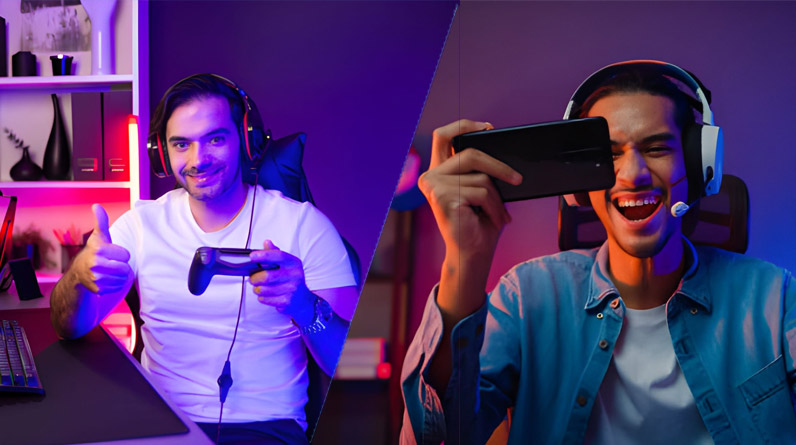
Your lifestyle should heavily influence your choice. Console gaming typically demands dedicated gaming sessions. You need to be home, in front of your TV or monitor, with a controller in hand. This works perfectly for people who enjoy deep, focused gaming sessions where they can lose themselves in expansive worlds for hours.
Mobile gaming adapts to your schedule rather than demanding you adapt to it. Sessions can last anywhere from 30 seconds to several hours. This flexibility makes mobile gaming ideal for busy professionals, parents, or anyone with an unpredictable schedule. You’re not wasting a console-quality game purchase if you only have 15-minute pockets of free time throughout your day.
The Verdict: Value Depends on Your Gaming DNA
Declaring a universal winner misses the point entirely. The “better value” depends entirely on your personal circumstances, preferences, and gaming habits.
Choose console gaming if: You prioritize premium single-player experiences, have dedicated gaming time, want the best graphics and performance, enjoy physical game collections, and play regularly in a home environment.
Choose mobile gaming if: You need flexibility and portability, have a limited budget, prefer shorter gaming sessions, want access to an enormous variety of games, value convenience over cutting-edge graphics, and already own a capable smartphone.
The reality for many gamers in 2025 is that you don’t have to choose exclusively. A hybrid approach—owning a console for premium experiences while maintaining a library of mobile games for on-the-go entertainment—often provides the best of both worlds. With subscription services and free-to-play models making both platforms more accessible than ever, the golden age of gaming isn’t about which platform wins, but about having unprecedented choice in how, when, and where we play.
Ultimately, the platform that gets you excited to play, fits your lifestyle, and brings you joy is the one offering you the best value. That’s something no benchmark or spec sheet can measure.